What SFC does
SFC checks protected Windows files against known-good copies and replaces any corrupted or missing ones. It fixes Windows components; app-specific DLLs usually need reinstalling the app or placing the DLL in the app folder.
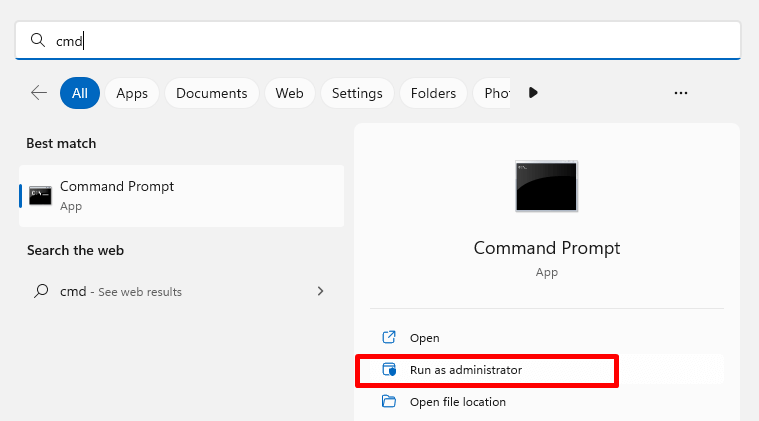
Open Command Prompt (Admin)
Open Command Prompt as Administrator.
Repair the component store (DISM)
Repair Windows’ component store so SFC can pull clean files:
DISM /Online /Cleanup-Image /RestoreHealth
Scan & repair (SFC /scannow)
Scan all protected files and automatically repair problems:
sfc /scannow
- Restart if prompted.
- Run
sfc /scannowagain until it reports no integrity violations.
Verify only (no changes)
Check protected files without repairing:
sfc /verifyonly
Reports integrity violations but doesn’t modify files.
Scan a single file
Target one protected file (use the full path):
sfc /scanfile="C:\Windows\System32\example.dll"
To just verify a single file:
sfc /verifyfile="C:\Windows\System32\example.dll"