Why updates prevent DLL errors
Windows Update keeps your system up to date so it always has the newest files and components needed by your programs. This helps avoid missing or outdated DLLs that can cause apps to crash or fail to start.
What Windows Update installs and improves
- System libraries
- Core Windows DLLs and patches that fix known issues or add support for newer apps.
- Dependencies
- Frameworks and runtimes (like .NET or Visual C++ Redistributables) that many programs rely on.
- Drivers
- Updates for graphics, sound, storage, and other hardware that prevent related DLL or performance problems.
Keeping Windows up to date helps prevent “entry point not found,” version conflicts, and other common DLL errors.
Open Windows Update
Open Settings → Windows Update.
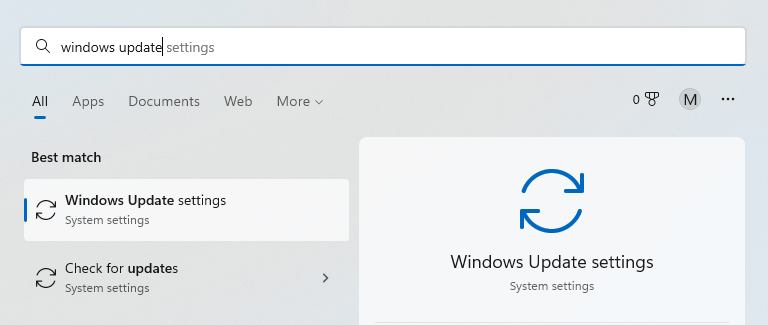
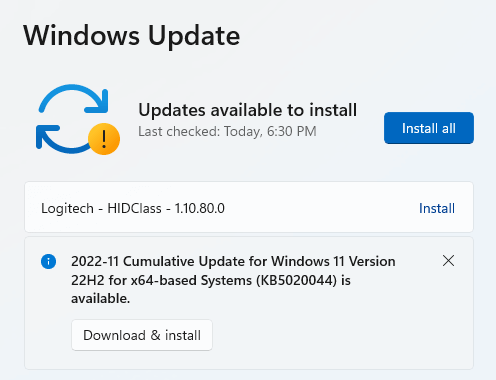
Install available updates
Click Check for updates, then install everything offered. Include Optional updates when relevant (e.g., hardware drivers).
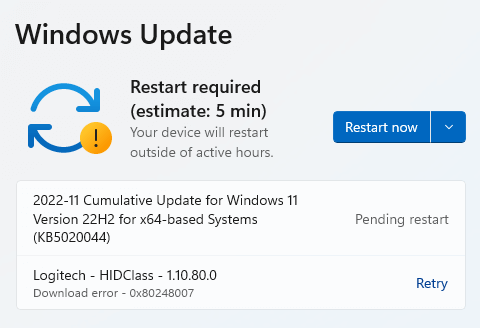
Restart the computer
Many updates don’t complete until after a restart. Reboot as prompted.
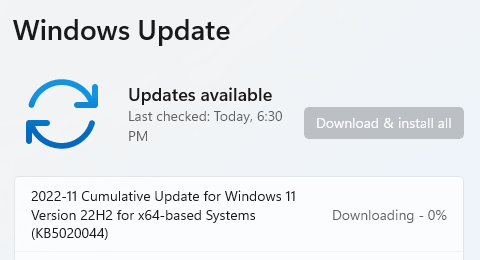
Check for updates again
After restarting, return to Windows Update and check again—new updates often appear after the first round.
Repeat until fully updated
Continue the Windows update → restart → check again cycle until Windows reports there are no further updates available.
Tip: If you’re on a metered connection, turn it off temporarily — some updates won’t download until it’s disabled.
Troubleshooting Windows Update
- Run the troubleshooter: Settings → System → Troubleshoot → Other troubleshooters → Windows Update → Run.
- Free disk space: Low space can block updates. Use our Windows Disk Cleanup guide to safely free up space.
- Disable metered connection: Some updates are paused on metered networks.